
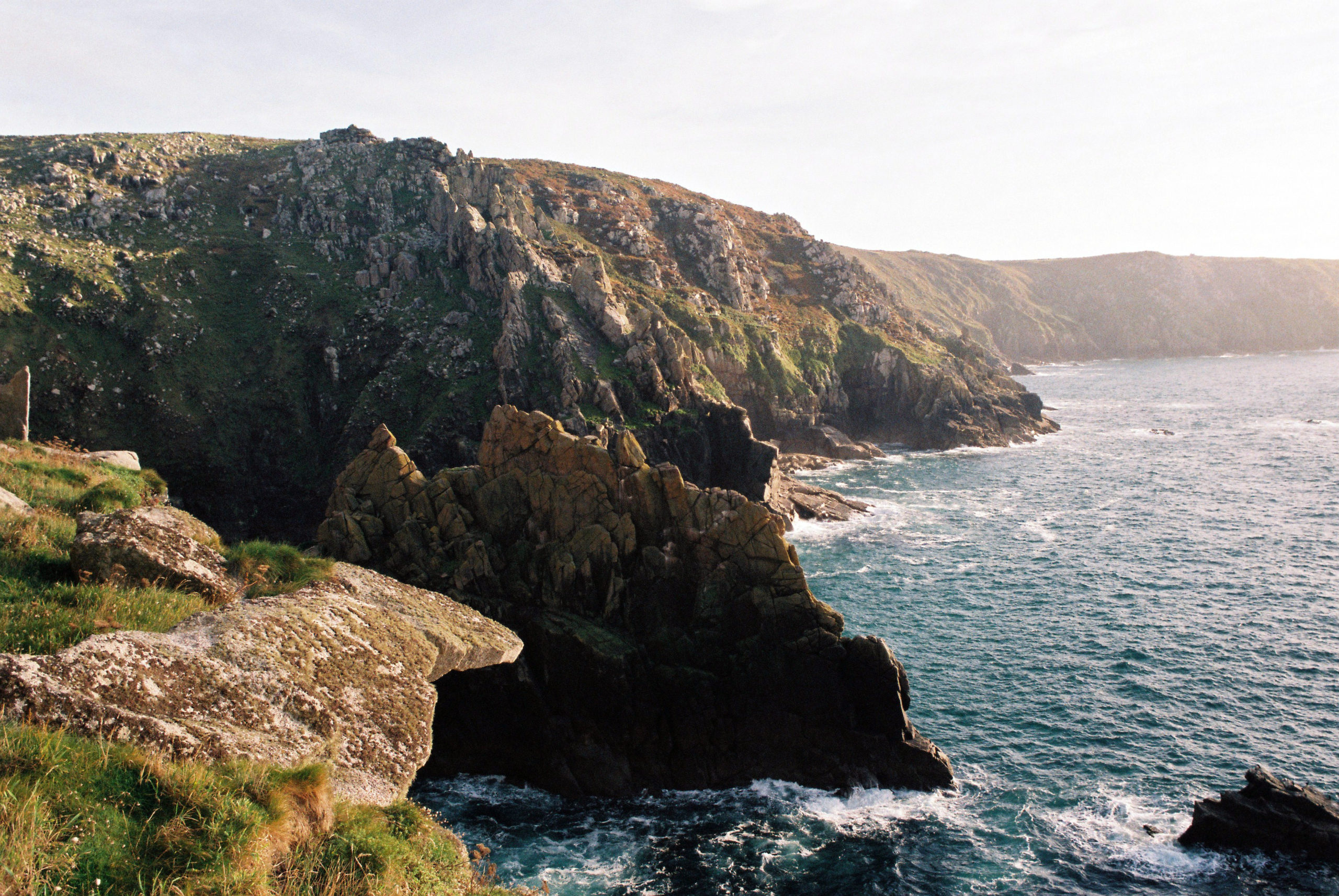
XCweather, yr.no, Mountain Forecast, Accuweather, Met Office… in the absence of jetting off to Spain for guaranteed sun, the eve of your British climbing trip sees a frantic search for good weather. Or, at least, for not bad weather. Rain in North Wales, South Wales, the Lakes, Northumberland, Scotland and North Yorkshire? Penzance it is then.
UK trips always have an impromptu feel and the car was packed accordingly: some large green tomatoes, a small collection of rocks and 7 flasks made the cut. A daysack, the kettle and pan lids didn’t. Bundled in with way more warm layers than we needed and not enough underwear, we trundled down various motorways towards Land’s End and freedom.
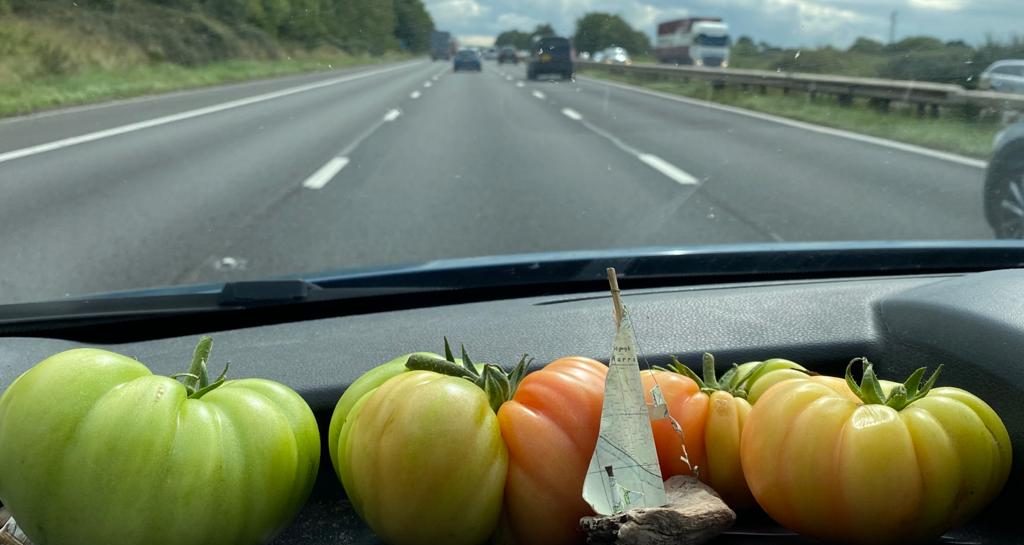
Tomatoes looking a little green, but excited at the prospect of a well-earned holiday
The name Land’s End sure has some pith to it but being landlocked I never quite appreciate its significance… so this is what the edge of the world looks like? Peek below the barren moorland are you’ll find incessant waves shaping long enduring cliffs; boulders and caves awoken for exploration at low tide and tucked back in by nightfall; the boom of the drums that rumble through your belly as each wave swells and crashes. Far from the motionless manicured majesty of Stanage Edge, the junction between land and sea is all movement: utterly untamed.


Top: Land’s End from Sennen Cove; Bottom: giant pebbles, mineral veins and limpets at Porth Nanven
Bosigran feels like the natural place to start: sea views and vibes a little above the threatening power of the waves. Every route is an amenable classic with wonderous diversity on solid granite: seemingly featureless faces who disclose their flaws upon closer inspection, narrowing chimneys for back-and-footing (or inelegantly thrutching if that’s more your jam); thick black veins of glassy mineral and cormorants hanging their wings out to dry on the outcrops below… the most convenient and enjoyable of natural occurrences.
With convenience comes crowds, but solitude is only ever a short and terrifying abseil away. Eyeing up the holds of your egress as you descend some sea cliff or another, overestimating your competence is more consequential when you can’t simply walk off with your tail between your legs. The killas slate slab of Kenidjack cliffs was well worth the risk, we marvelled at the presence of actual holds as we wound our way up route after route, visited only by the odd nosy local – selkies bobbing in the waves.


Kenidjack Cliffs: selkies, sea views and gold-flecked killas slate slabs
Usually our yearly planning prioritises big trips and balmy climates. A luxury, sure, but we hadn’t realised quite how luxurious until global circumstance left us anchored to one spot.
It would be odd to refer to West Penwith as an exotic destination, but it’s far from ordinary. In the Peak we’re preoccupied with seepage and midges; curlews, ring ouzels, heather and grouse. Climbing in West Penwith demands a new vocabulary. We rolled zawn and cape and bight around our mouths like foreign words and puzzled over pronunciation (Bojewyan anyone?). Our days were governed by tides and wild seas, the bleating of sheep swapped for the crooning of seagulls, and engine houses, mine shafts and lighthouses cultivated the landscape with a lifestyle we know nothing about.
After almost a year of hanging round Sheffield, one week in Cornwall was a humbling reminder that you don’t have to go far to learn something new.
Although, to be fair, Cornwall is still pretty damn far.
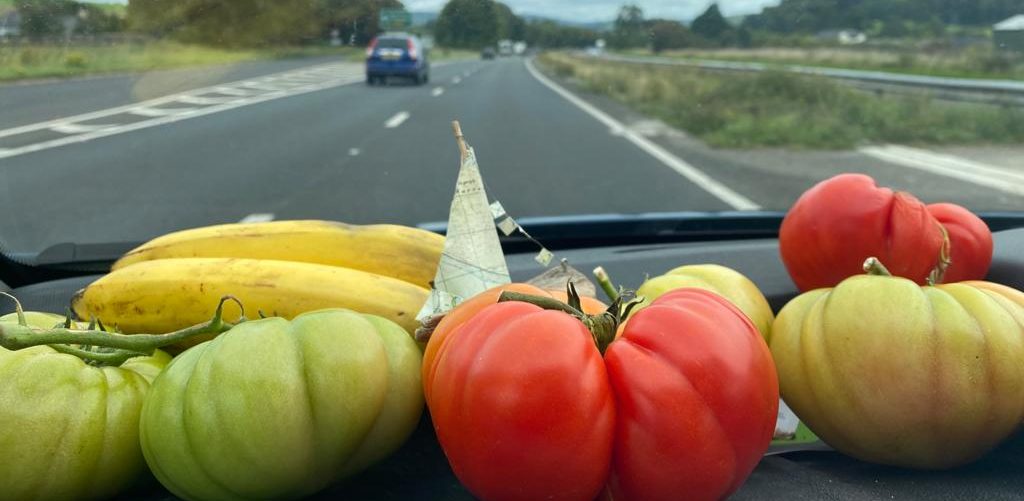
Someone’s caught the sun: tanned, tired and refreshed on the journey home
Camping: wild camping is now widely banned in the area and National Trust wardens do the rounds twice daily to move on van dwellers. There are plenty of campsites in the area.
If you’re happy not to shower the site at Morvah is a good option. The North Inn pub campsite has showers, pub food and pints if you’re looking for more amenities.

 Hati Whiteley